



Dr Leo Kah Woon
Consultant Plastic & Reconstructive Surgeon
MBBS (Singapore), MMed (Surgery) (Singapore), MRCS (Edinburgh), FAMS (Plastic Surgery)
Eyelid surgery is generally considered safe when performed by a qualified medical professional with experience in cosmetic and restorative operations. However, like all surgical procedures, there are potential risks, side effects and precautions that must be taken during recovery.
Before moving forward with treatment, patients should understand what surgery involves, what these complications are and what the recovery period looks like. Staying well-informed plays an important role in reducing risks and supporting a smoother healing process.
What Are the Main Types of Eyelid Surgery?
There are several common types of eyelid surgery procedures designed to address different functional and aesthetic concerns around the eyes. Depending on the condition being treated, surgery may help improve vision obstruction, reduce signs of ageing or create better eyelid definition and symmetry.
Upper Blepharoplasty
Upper blepharoplasty removes excess skin, fat or tissue from the upper eyelids. It is commonly performed to address drooping upper eyelids that create a tired appearance or interfere with vision. The procedure aims to create a more refreshed and defined upper eyelid contour while maintaining natural-looking results.
Lower Blepharoplasty
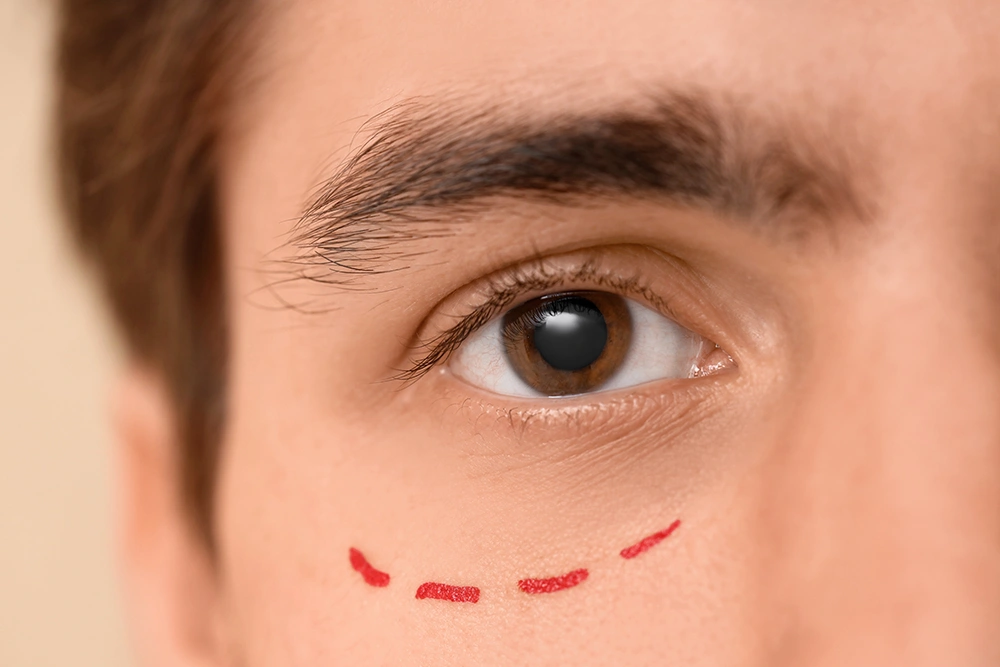
Lower blepharoplasty focuses on the lower eyelids and under-eye area. It is usually performed to reduce eye bags, puffiness or loose skin caused by ageing or fat protrusion beneath the eyes. Depending on the patient’s concerns, the procedure may involve repositioning or removing fat and tightening the surrounding tissues.
Double Eyelid Surgery
Double eyelid surgery is a specific type of upper blepharoplasty. This procedure aims to create a visible upper eyelid crease in patients who naturally have a single eyelid or poorly defined crease. The procedure is commonly performed to improve eyelid definition and create a more open-eye appearance while preserving facial balance and natural proportions.
Ptosis Surgery
Ptosis surgery corrects drooping of the upper eyelid caused by weakened eyelid muscles. In more severe cases, ptosis can partially obstruct vision or cause eye strain from constantly lifting the brows to compensate. The surgery tightens or repositions the muscles responsible for lifting the eyelid to improve eyelid height and function.
Epicanthoplasty
Epicanthoplasty reshapes or reduces the epicanthal fold, which is the skin fold covering the inner corner of the eye. The procedure is sometimes performed together with double eyelid surgery to create greater eye definition, improve symmetry or achieve a more elongated eye appearance.
What Should You Expect During Eyelid Surgery Recovery?
Recovery after eyelid surgery is usually gradual, with most swelling and bruising improving noticeably within the first one to two weeks. The recovery experience can vary depending on the type of eyelid procedure performed, the extent of correction required and the individual’s natural healing response.
What Happens Immediately After Surgery?
Patients are usually able to return home on the same day following a short observation period. After surgery, the eyelids may feel tight, swollen or mildly uncomfortable. Cold compresses, prescribed medications and keeping the head elevated are commonly recommended to help reduce swelling and discomfort during the first few days.
What Side Effects Are Normal During Recovery?
Some normal side effects patients may experience are:
- Mild swelling and bruising
- Tightness around the eyes
- Temporary tearing or dryness
- Light sensitivity
- Mild blurred vision from ointment/swelling
How Long Does Recovery Usually Take?
Initial recovery typically takes around 1–2 weeks, during which visible swelling and bruising improve significantly. Many patients are able to return to work and light daily activities within this period, depending on the nature of their job and the extent of surgery performed.
However, residual swelling may continue to settle over several weeks to months before the final results become fully apparent. Recovery timelines may vary between different eyelid procedures and individual patients.
What Can I Do to Support a Smooth Recovery?
Patients are usually advised to avoid strenuous activities, heavy lifting and excessive eye strain during the early stages of recovery. Keeping the surgical area clean, attending follow-up appointments and taking medications as instructed are also important for proper healing.
Protecting the eyes from sun exposure and avoiding rubbing the eyelids can further reduce irritation and support recovery. Smoking and poor sleep may also affect healing and are generally discouraged during the recovery period.
What Are the Possible Risks and Complications of Eyelid Surgery?
Although eyelid surgery is generally safe, all surgical procedures carry some degree of risk. Serious complications are uncommon when surgery is performed by a qualified plastic surgeon, but patients should still be aware of potential issues that may occasionally occur.
Infection or Bleeding
A small risk of infection or bleeding exists after eyelid surgery, particularly during the early stages of healing. Symptoms can include worsening redness, persistent swelling, increasing pain or discharge from the surgical site.
Scarring or Delayed Healing
Eyelid incisions are usually placed carefully within natural eyelid creases or less visible areas to minimise noticeable scarring. However, some patients may experience more visible scars or slower wound healing depending on their skin characteristics.
Eyelid Asymmetry or Unsatisfactory Results
Minor differences in eyelid shape, height or crease definition may occasionally occur after surgery, especially while swelling is still settling. In some cases, undercorrection or overcorrection of the eyelids may affect the final appearance. This may lead to secondary procedures being necessary.
Eye Irritation or Vision Changes
Some patients may experience temporary dryness, irritation, tearing or sensitivity to light after surgery. Mild blurred vision can also occur temporarily due to swelling or lubricating ointments used during recovery.
Patients should contact their plastic surgeon promptly if they experience worsening pain, excessive swelling, persistent bleeding or sudden changes in vision after surgery.
How Do Plastic Surgeons Reduce the Risks of Eyelid Surgery?
An experienced plastic surgeon can play an important role in reducing the risks associated with eyelid surgery. Beyond performing the procedure itself, a surgeon should carry out a careful patient assessment, detailed surgical planning and post-operative management. These factors all contribute to safer surgery and more predictable outcomes.
Pre-Surgery Assessment and Medical Evaluation
A thorough consultation allows the surgeon to understand the patient’s goals, explain expected outcomes and identify any limitations or potential risk factors before proceeding with treatment.
Before moving forward with surgery, an eyelid surgeon should assess the patient’s overall health, medical history, eye condition and any aesthetic concerns they may have. It is particularly important for them to account for factors like dry eyes, previous eye surgeries, underlying medical conditions or medications that could affect surgical planning and recovery.
Surgical Planning Based on Eye and Facial Anatomy
Every patient’s eyelid structure and facial anatomy are different. Experienced plastic surgeons can carefully evaluate factors such as eyelid position, skin thickness, muscle strength, brow position and facial symmetry when planning surgery.
This personalised approach helps ensure that the procedure is tailored to the patient’s anatomy while maintaining balanced, natural-looking results and reducing the risk of overcorrection or functional problems.
Techniques for Minimising Scarring and Complications
Plastic surgeons use specialised surgical techniques designed to minimise visible scarring and preserve normal eyelid function. Incisions are typically placed within natural eyelid creases or less noticeable areas to improve healing and reduce scar visibility.
An experienced surgeon is able to make precise surgical adjustments and carry out conservative correction that reduces complications such as asymmetry, excessive tightening or difficulty closing the eyes after surgery.
Post-Operative Care
Recovery and healing are also influenced by how closely patients follow post-operative care instructions after surgery. Plastic surgeons typically provide a detailed care plan, giving patients guidance on wound care, medication use and activities to avoid.
Choosing a Qualified Eyelid Surgeon for Your Surgical Procedure
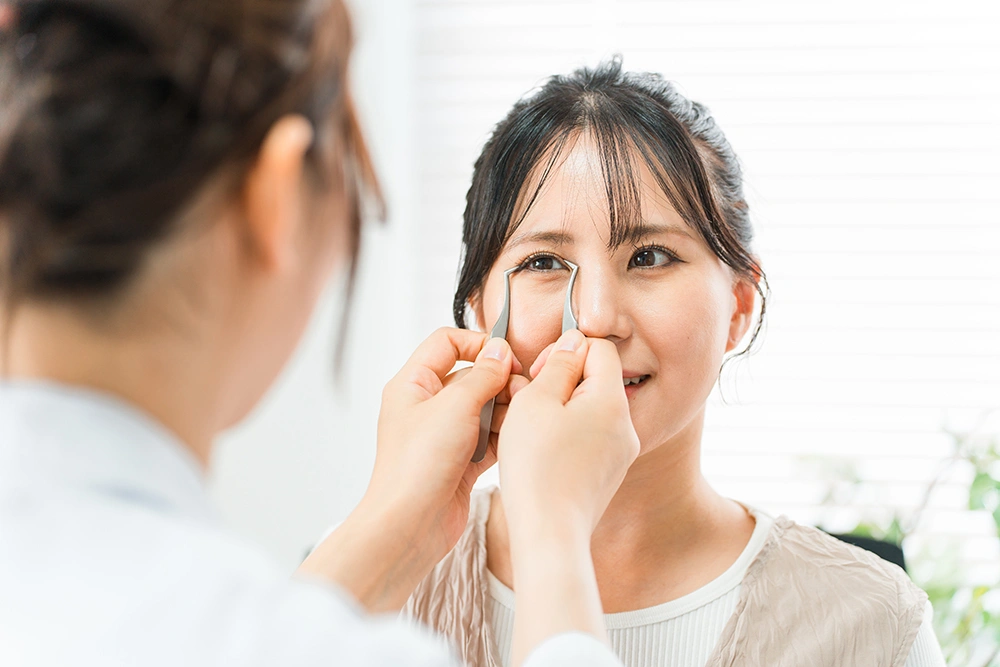
Choosing a qualified eyelid surgeon is an important part of reducing surgical risks and achieving safe, natural-looking results. Patients should look for a surgeon with formal plastic surgery qualifications, experience in eyelid procedures and a thorough approach to surgery and post-operative care.
At Dr Leo Aesthetic Plastic & Reconstructive Surgery, patients receive personalised care tailored to their facial anatomy, functional concerns and aesthetic goals. Our clinic is led by Consultant Plastic & Reconstructive Surgeon Dr Leo Kah Woon, who focuses on careful assessment, precise surgical planning and detailed post-operative support to help patients achieve balanced outcomes while prioritising safety and recovery.
Contact us today to arrange a consultation and learn more about the treatment options we offer.
Meet Our Eyelid Surgery Specialist in Singapore
Dr Leo Kah Woon
Consultant Plastic & Reconstructive Surgeon
MBBS (Singapore), MMed (Surgery) (Singapore), MRCS (Edinburgh), FAMS (Plastic Surgery)
Dr Leo Kah Woon is a MOH-accredited plastic surgeon with over 20 years of experience in the field of plastic surgery in Singapore. His extensive expertise in both non-invasive and surgical procedures comes from a deep understanding of aesthetic principles and advanced surgical techniques.
Dr Leo completed his rigorous fellowship training in reconstructive and aesthetic surgery at the University of Washington, USA and was awarded membership from the Royal College of Surgeons of Edinburgh. He is dedicated to providing personalised care and achieving natural-looking results that align with his patients' goals.