


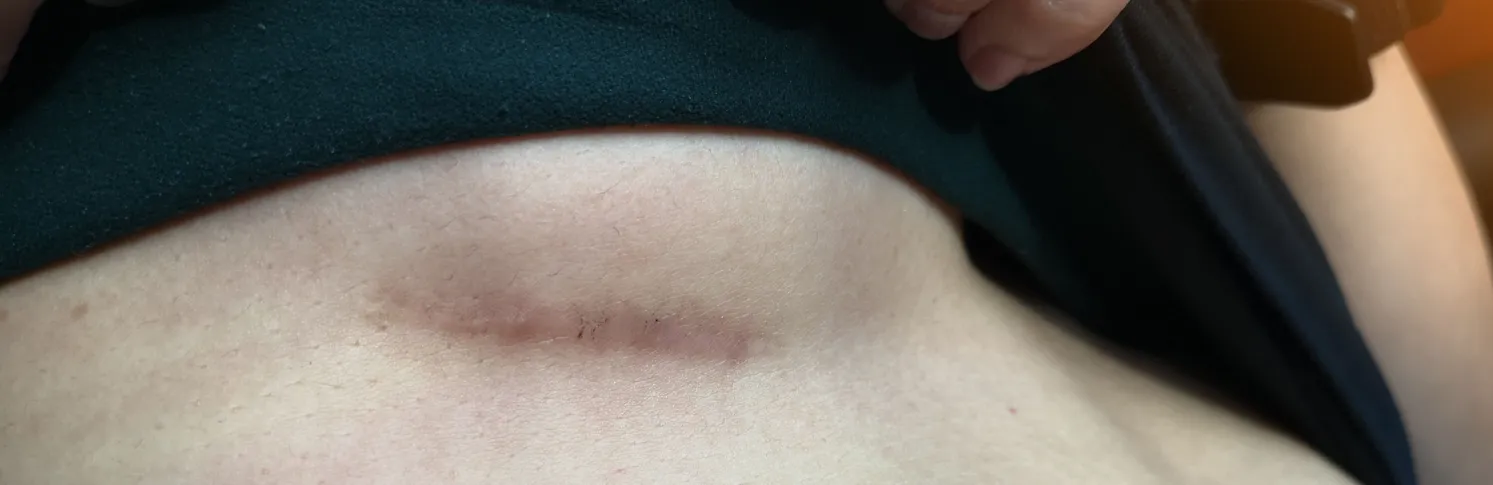

Scars after cosmetic surgery continue to change after the incision has closed. During early healing, a scar may appear more noticeable because of redness, firmness or elevation above the surrounding skin. These features can gradually settle as the scar matures, so its appearance during the early stages of recovery may not reflect how it will eventually look.
The pace and extent of these changes vary between individuals, and a scar may continue evolving for months after surgery.
Key Takeaways
- A cosmetic surgery scar may look more noticeable during early healing than it will once it has matured.
- Scar maturation can continue for several months, so its appearance may keep changing well after the incision has closed.
- Scar healing varies between individuals, so scars from similar procedures may not develop in exactly the same way.
- If a scar remains concerning as it matures, further assessment can help determine whether treatment may be appropriate.
How Do Scars Typically Change as They Heal After Cosmetic Surgery?
An incision may close relatively early, but scar maturation continues for much longer. The changes that follow generally happen gradually rather than at a single point in recovery.
Early Healing
First few weeks
The scar may appear red, raised or firmer than the surrounding skin.
Remodelling
From around 6 weeks onwards
Collagen within the scar tissue gradually reorganises. The scar may become softer and flatter, while redness or discolouration may start to lessen.
Maturation
Around 3 to 12 months or longer
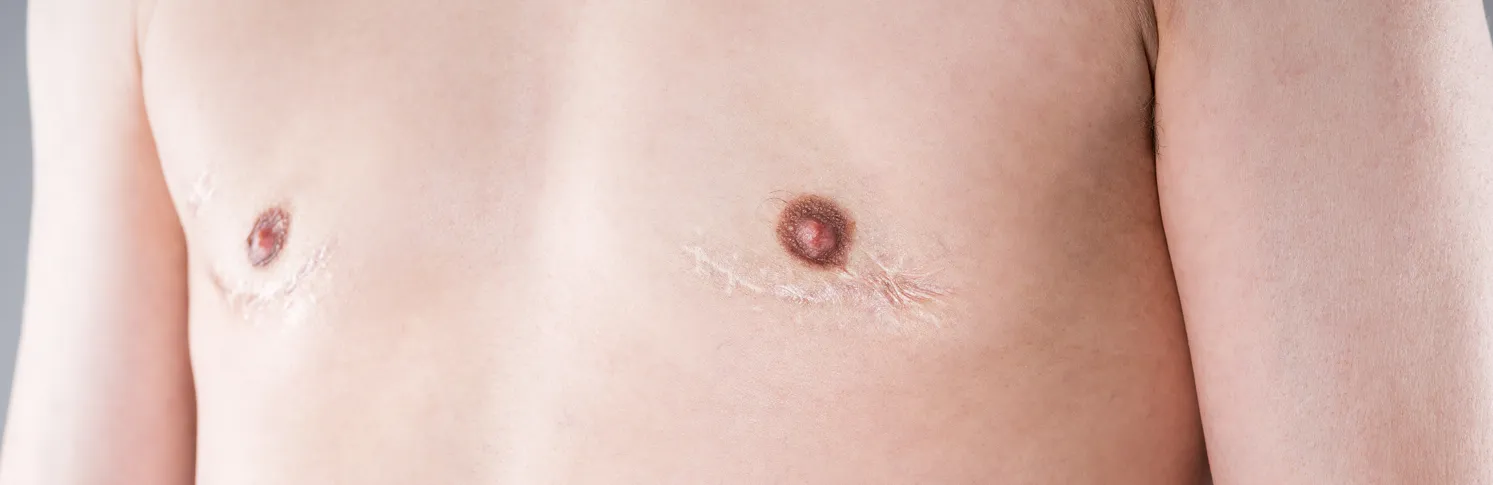
The scar may become less prominent as it continues to mature, although some difference from the surrounding skin can remain in its colour, texture or thickness.
What Can Affect How a Cosmetic Surgery Scar Looks?
Even when healing progresses normally, scars do not all develop in the same way. Several factors can influence how noticeable a scar eventually becomes.
Incision Location and Wound Tension
Areas with greater movement or skin tension can place repeated stress across a healing incision. This may pull on the wound edges as new tissue forms, increasing the chance of a wider or more raised scar. Incision placement is mainly determined by the procedure and anatomy, although natural skin folds or less visible locations may be considered where the surgical approach allows.
Individual Skin Characteristics and Scarring Tendency
The way a person has scarred after previous injuries or surgery can provide clues about how their skin may heal again. A history of hypertrophic scars or keloids may indicate a greater tendency to form raised scar tissue. Skin pigmentation can also affect scar appearance, as healing scars may become darker or lighter than the surrounding skin.
Delayed Wound Healing
Delayed healing can keep the wound inflamed for longer, while infection may disrupt the normal repair process. This can affect how the wound heals and may contribute to a more noticeable scar.
Smoking can also interfere with wound healing by reducing blood flow and oxygen delivery to the tissues.
What Can You Do as a Cosmetic Surgery Scar Heals?
Scar care focuses on supporting the healing process rather than trying to make a scar disappear quickly. What is suitable may also change as the incision heals.
Follow Your Wound-Care and Activity Instructions
Postoperative instructions are intended to protect the incision while the tissues heal. Restrictions on certain movements or strenuous activity may help reduce pulling and tension across the wound during this period.
Protect the Healing Scar From Sun Exposure
UV exposure can make scar discolouration more noticeable while the scar is maturing. Protect the area from direct sun exposure and follow your surgeon's advice on when sunscreen can be used over the healing skin.
Ask When Silicone Scar Products Are Appropriate
Silicone gels or sheets may be considered for some scars once the incision has fully closed. Their suitability should still be discussed with your surgeon, as recommendations can vary depending on how the scar is healing.
Introduce Scar Massage Only When Recommended
Scar massage is sometimes introduced as the tissues heal, but it should not be started too early. Follow your surgeon's advice on whether massage is appropriate for your scar and when it can safely begin.
When Might Further Scar Treatment or Revision Be Considered?
Not every visible scar requires treatment, particularly while it is still maturing. If its appearance or other characteristics remain concerning over time, an assessment can help determine whether further treatment may be appropriate.
When a Scar May Need Further Assessment
A scar that remains unusually raised or develops in a way that is concerning may warrant further assessment. Raised scars can include hypertrophic scars, which remain within the boundaries of the original wound, and keloids, which can extend beyond them. Identifying how the scar has developed can help guide what treatment, if any, may be suitable.
Non-Surgical Options for Persistent Scars
Some scars may be treated without surgery, depending on how they have developed and what aspect of the scar is being addressed. Options may include silicone-based scar care, injections or laser treatment, with the approach selected according to the characteristics of the scar.
When Surgical Scar Revision May Be Considered
Surgical scar revision may involve removing part of the existing scar and closing the area again in a way intended to improve its final appearance. The aim is to make the scar less noticeable rather than to remove it completely.
Whether scar revision is appropriate depends on more than how visible the scar is. Its maturity and the specific concern being addressed also need to be considered.
Discuss Your Scar Healing With Dr Leo Kah Woon
It is not always easy to tell whether a scar is progressing as expected or whether a change may benefit from further assessment. If you remain concerned about a scar as it heals, having it reviewed can help clarify whether it needs more time to mature or whether treatment should be considered.
At Dr Leo Plastic Surgery, cosmetic surgery scars can be assessed in the context of the original procedure and how the area has healed over time. With more than 20 years of experience in plastic surgery, Dr Leo Kah Woon can review how your scar has progressed and discuss whether continued observation or further scar treatment may be appropriate.
If you are concerned about how a cosmetic surgery scar is healing, contact us to book an appointment for an assessment.
FAQs About Scar Healing After Cosmetic Surgery
A cosmetic surgery scar usually fades but does not disappear completely. As it matures, it may become flatter and less noticeable. Scar revision can improve its appearance, but it cannot erase the scar entirely.
Mild itching can happen as a scar heals and the skin continues repairing itself. It should gradually improve. If itching becomes severe or occurs with increasing redness or swelling, speak to your surgeon.
Sensation around a surgical scar may temporarily feel reduced, numb or different from nearby skin. This can happen when small sensory nerves in the area are affected during surgery. Sensation may improve as healing continues.
Scar tissue is structured differently from normal skin, so it may feel firmer or less flexible after healing. These differences may lessen as the scar matures, although some texture changes can remain.
