


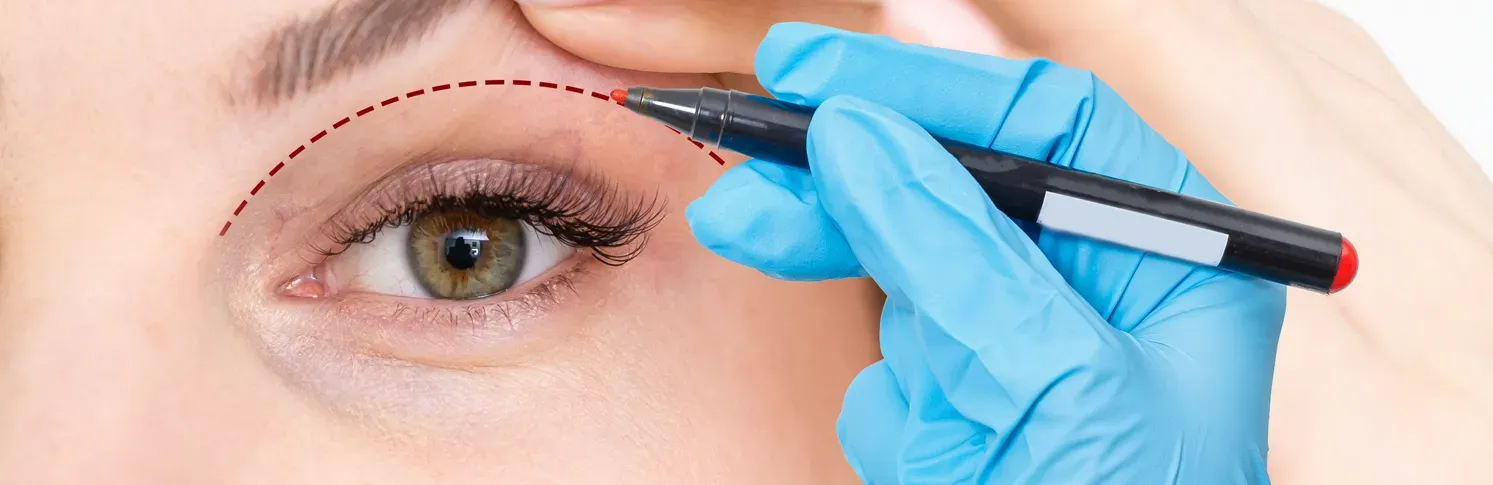

Droopy eyelids can affect more than just appearance. For some individuals, excess eyelid skin or weakened eyelid muscles may create a tired and aged look. While in more severe cases, the drooping eyelids can interfere with vision and everyday activities. One common cause of drooping eyelids is ptosis, a condition in which the upper eyelid falls lower than normal due to weakness or dysfunction of the muscle responsible for lifting it. Although droopy eyelids and ptosis are often associated with ageing, they can also occur due to genetics, injury, or certain medical conditions.
Depending on the underlying cause, modern eyelid surgery is tailored to restore eyelid function and improve eyelid position. Understanding how surgery for droopy eyelids works, who may benefit from the procedure, and what patients can expect throughout the treatment can help provide greater peace of mind throughout your surgical journey.
How Does Droopy Eyelid Surgery Correct Drooping Lids?
When drooping eyelids are caused by ptosis, surgery may be performed to raise the position of the upper eyelid. Ptosis occurs when the structures responsible for lifting the eyelid become weakened or stretched, causing the eyelid to sit lower than normal.
Ptosis correction surgery works by tightening or adjusting these eyelid-lifting structures to improve eyelid height and symmetry. The most suitable technique depends on the severity of the ptosis, levator muscle function, eyelid anatomy and the patient's goals.
Traditional ptosis surgery is performed through a small incision hidden within the natural eyelid crease, allowing the surgeon to access and adjust the tissues that lift the eyelid. For selected patients with mild to moderate ptosis and good levator muscle function, non-incisional ptosis correction may also be an option. This technique uses sutures to elevate the eyelid without a traditional eyelid-crease incision.
By restoring the position of the upper eyelid, ptosis correction can create a more refreshed appearance and, in some cases, improve vision when drooping lids obstruct the field of sight.
Who Is a Suitable Candidate for Droopy Eyelid Surgery?
The droopy eyelid surgery is commonly considered by people with:
- Excess upper eyelid skin causing hooding or visual obstruction
- Ptosis, where weakness of the eyelid-lifting muscle causes the eyelid to sit lower than normal
- Drooping eyelids that obstruct their field of vision
- Eyelid asymmetry that affects facial balance and appearance
Some benefits may include improved eyelid symmetry, a more rested appearance, enhanced visual function, and greater comfort and confidence in daily activities. As with any surgical procedure, droopy eyelid surgery carries potential risks, including bleeding, infection, asymmetry, dry eyes, undercorrection, or overcorrection. Patients should discuss with the surgeon regarding factors such as recovery time, possible complications and expected outcomes before proceeding with treatment.
What Can Patients Expect Before, During, and After Eyelid Surgery?
Patients considering droopy eyelid surgery or ptosis correction surgery can expect a treatment journey that begins with a thorough assessment and continues through recovery and healing.
Before Surgery
Patients will start with a comprehensive consultation with the droopy eyelid surgeon, during which the surgeon evaluates their eyelids, assesses the cause and severity of the drooping, reviews their medical history, and discusses treatment goals before finalising the personalised surgical plan.
Patients will also receive instructions on how to prepare for surgery and be advised on the most appropriate anaesthesia option, which may involve local anaesthesia with sedation or general anaesthesia.
During Surgery
The exact procedure depends on the underlying cause of the drooping.
- For excess skin, the specific droopy eyelid surgery will be upper blepharoplasty, to remove or reposition excess skin, fat, or tissue.
- For ptosis, surgery focuses on tightening, repairing, or advancing the tissues responsible for lifting the eyelid to restore eyelid height and function.
For suitable patients, non-incisional ptosis correction may be performed using specialised suturing techniques to elevate the eyelid without creating a traditional incision. Most procedures are completed within one to three hours, depending on the surgical plan.
After Surgery
Following surgery, it is normal to experience mild swelling, bruising, temporary tightness, and discomfort around the eyes.
Most patients can expect significant improvement in these symptoms within one to two weeks, although residual swelling may take several weeks to fully resolve.
During recovery, patients are advised to rest, avoid strenuous activities, follow all post-operative care instructions, and attend scheduled follow-up appointments to monitor healing.
Initial improvements are often visible once the early swelling subsides, while the final results become more apparent over the following weeks, revealing a more refreshed appearance and, for some patients, an improved field of vision.

Correcting Your Droopy Eyelids with Dr Leo Kah Woon
Droopy eyelids can affect both appearance and visual function, particularly when the condition is caused by ptosis or age-related changes to the eyelids. Modern surgical techniques can address the underlying cause of drooping eyelid, whether through ptosis correction surgery, the removal of excess eyelid tissue, or a combination of procedures. By understanding how the droopy eyelid surgery works, who may benefit from it, and what to expect throughout the treatment process, patients can make more informed decisions about their care and treatment goals.
At Dr Leo Aesthetic Plastic & Reconstructive Surgery, our consultant plastic & reconstructive surgeon, Dr Leo Kah Woon, can assess your eyelid condition, discuss your treatment goals, and develop a personalised plan tailored to your needs. Book an appointment for your first consultation today.
FAQs About Droopy Eyelid Surgery and Ptosis Correction
The results of droopy eyelid surgery are generally long-lasting. However, the natural ageing process continues, and some patients may experience changes in eyelid appearance over time. In certain cases, particularly when ptosis is caused by progressive muscle weakening or underlying medical conditions, additional treatment may be required in the future.
When an incisional technique is used, the incision is typically placed within the natural crease of the upper eyelid, making the resulting scar discreet once healed. Non-incisional ptosis correction does not require a traditional eyelid-crease incision.
Depending on a patient's goals and suitability, droopy eyelid surgery may be performed alongside other facial rejuvenation procedures, such as lower eyelid surgery, brow lift surgery, or facial fat grafting. Your surgeon can advise whether a combined treatment approach is appropriate.
The primary goal of ptosis correction surgery is to restore the eyelid to a more functional and natural position. While this may make the eyes appear more open and symmetrical, the surgery is not intended to alter the fundamental shape of the eyes. The exact outcome depends on the patient's anatomy and the severity of the ptosis.
During the consultation, the surgeon will assess the position of the eyelids, the strength of the eyelid-lifting muscles, and the amount of excess skin present. This evaluation helps determine whether the drooping is primarily caused by dermatochalasis (excess eyelid skin), ptosis, or a combination of both, allowing the most appropriate surgical plan to be recommended.