




While the primary goal of any nasal surgery is to achieve a balanced and functional result, not every procedure meets a patient’s expectations or heals as intended. In cases like these, revision rhinoplastys are a specialised secondary procedure designed to address aesthetic concerns or breathing difficulties that persist or develop after an initial operation.
However, navigating the decision to undergo a second surgery involves a thorough understanding of the healing process and the anatomical changes that occur over time. Ultimately, by focusing on the structural integrity and natural-looking outcomes, a revision can restore both confidence and comfort, provided it’s approached with a clear clinical plan and realistic expectations.
Common Reasons for Seeking a Second Rhinoplasty
Patients typically consider a secondary procedure when the initial surgery fails to meet their expectations or results in new physical difficulties. These concerns generally fall into two categories:
Aesthetic Dissatisfaction
- Addressing Asymmetry: Correcting a nose that appears crooked or uneven once the initial healing period is complete and swelling has fully subsided.
- Proportion Issues: Managing cases of over-reduction, such as a scooped bridge or pinched tip, as well as under-correction where a persistent hump remains.
- Nasal Tip Refinement: Adjusting a nasal tip that appears too bulbous, drooping, or has been left with an unnaturally rotated appearance from the first surgery.
Functional and Breathing Concerns
- Nasal Valve Collapse: Addressing weakened internal structures that can lead to obstructed breathing or a feeling of nasal congestion during normal activity.
- Septal Obstruction: Correcting a deviated septum that was either missed during the primary operation or inadvertently created during the structural changes.
- Internal Scarring: Managing excessive fibrosis or scar tissue that can distort the internal airway and lead to visible changes in the external nasal shape.
Determining the Right Time for Revision Surgery
The success of a secondary rhinoplasty procedure depends heavily on the condition of the nasal tissues. To ensure a predictable and stable outcome, the following factors must be considered:
The Importance of Full Healing
- The 12-Month Rule: Patients must typically wait at least one year to allow all post-operative swelling to subside and the underlying nasal tissues to soften.
- Stable Anatomy: Ensuring the nasal framework has fully settled before further intervention is essential to avoid unpredictable results or structural instability.
Assessing Emotional Readiness
- Managing Expectations: A secondary surgery requires a grounded understanding of what is surgically achievable, focusing on realistic improvements rather than absolute perfection.
- Patience with Recovery: The healing timeline for a revision can often be more prolonged than your first plastic surgery operation, necessitating a commitment to a longer recovery period and gradual results.
The Technical Challenges of Secondary Nose Surgery
A secondary procedure requires a high degree of clinical expertise to navigate the permanent changes from previous operations. To achieve a stable result, the following critical technical factors must be managed:
Managing Scar Tissue
- Surgical Precision: The surgeon must meticulously dissect through previous surgical planes while preserving the blood supply to the skin envelope to ensure healthy tissue healing.
- Tissue Elasticity: Existing fibrosis often reduces skin flexibility, which dictates the extent to which the underlying nasal structure can be safely reshaped without compromising the skin.
The Role of Cartilage Grafting
- Structural Support: Additional cartilage is frequently essential to rebuild a weakened nasal bridge or tip that may have lost its natural integrity or support during the first surgery.
- Donor Sites: When the septal cartilage is depleted, autologous grafts from the ear or rib are utilised to provide a resilient and long-lasting framework for the new nasal shape.
What to Expect During a Revision Consultation
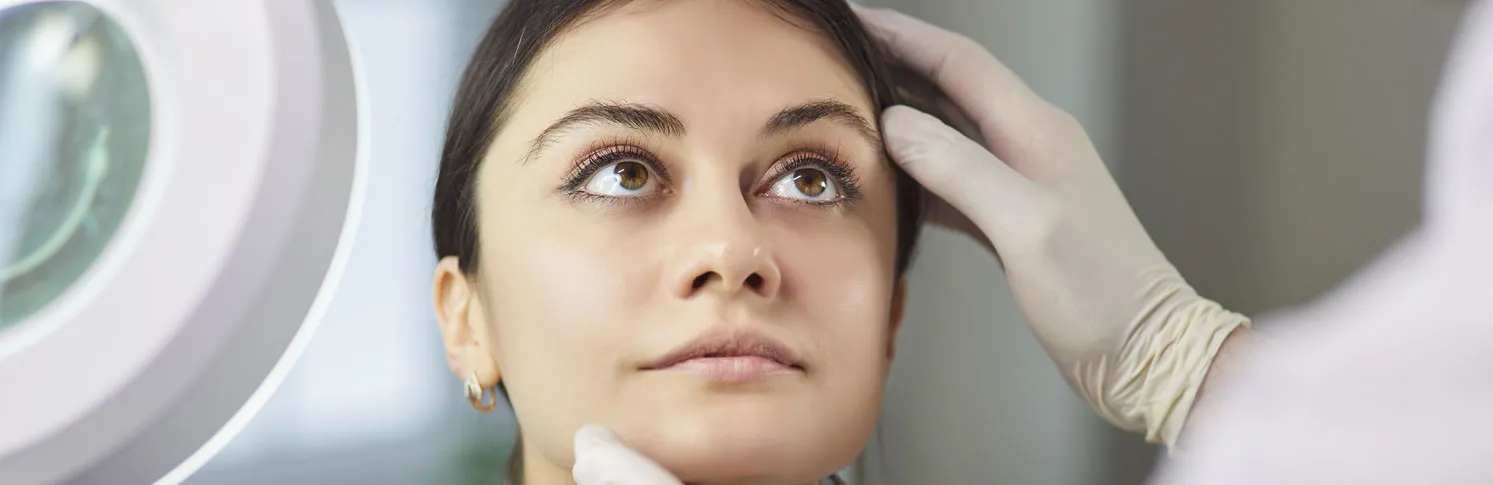
A successful revision begins with a meticulous evaluation of the current nasal structures and a clear understanding of your surgical history. This assessment ensures that the proposed plan is both medically sound and aligned with your goals:
- Clinical Assessment: The surgeon performs a thorough internal and external examination to evaluate the nasal airway's functionality and the remaining elasticity of the skin.
- Reviewing Past Reports: Analysing previous surgical techniques and operative notes helps the surgeon anticipate anatomical changes, ensuring a safer and more predictable revision.
- Bespoke Surgical Planning: The surgical approach, whether open or closed, is tailored to your specific structural needs to provide the necessary access for complex reconstructive surgery.
Recovery and Long-term Outcomes in Singapore
The recovery process for a secondary procedure often requires more patience than a primary surgery, as the healing timeline is influenced by the presence of pre-existing scar tissue. While initial swelling typically begins to subside within a few weeks, it may take significantly longer for the final nasal contours to fully refine. You should expect a gradual transition over twelve to eighteen months, as the skin and underlying grafts settle into their permanent positions.
To ensure the best possible long-term stability, adhering to specific post-operative care instructions is essential for protecting the new nasal framework. This includes avoiding strenuous physical activities and ensuring the nose is shielded from any accidental impact during the early stages of healing. By following a structured recovery plan and attending all clinical follow-up appointments, you can support the structural integrity of your results and achieve a natural, functional outcome.
Restoring Nasal Harmony and Function
A revision rhinoplasty is a highly specialised journey that requires patience, precise surgical planning, and a deep understanding of nasal anatomy. Whether you’re seeking to correct aesthetic irregularities from a previous operation or resolve persistent breathing difficulties, the focus remains on rebuilding a stable structural foundation.
If you’re ready to explore your options for a secondary procedure, Dr Leo Plastic Surgery provides the clinical expertise necessary to navigate the complexities of revision surgery. Dr Leo Kah Woon offers bespoke consultations in Singapore to assess your unique concerns and develop a safe, effective surgical roadmap.
To learn more about our approach to patient care, get in touch with us at Dr Leo Plastic Surgery to book your appointment.
Frequently Asked Questions About Revision Rhinoplastys
When can I undergo a revision rhinoplasty?
It’s generally advised to wait at least twelve months after your initial surgery before considering a revision rhinoplasty to allow all swelling to subside and the nasal tissues to soften completely. This waiting period ensures the nasal framework is stable, providing your surgeon with a clear clinical picture to plan a safer and more predictable corrective procedure.
Does a second rhinoplasty require a rib graft?
A second rhinoplasty often requires additional structural support, which may involve harvesting cartilage from the ear or rib if the septal cartilage was depleted during the primary surgery. These autologous grafts are essential for rebuilding a weakened nasal bridge or tip, ensuring the new structure remains resilient and maintains its shape throughout the long-term healing process.
Can a revision rhinoplasty fix breathing issues?
Yes, a revision rhinoplasty can effectively address functional concerns such as a deviated septum or nasal valve collapse that may have been overlooked or exacerbated by a previous operation. By restructuring the internal airways and reinforcing the nasal walls, the procedure aims to restore optimal airflow while simultaneously refining the external aesthetic appearance of the nose.