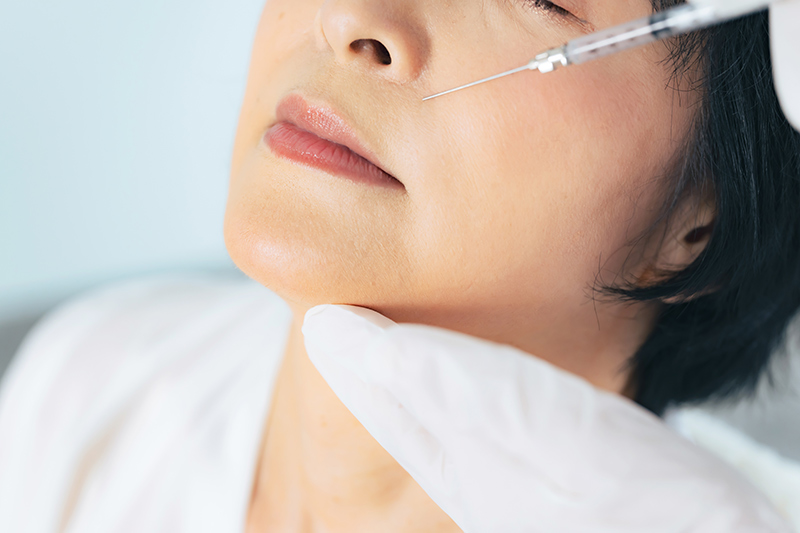

Whether cosmetic surgery or a non-surgical treatment may suit you depends on the results you want. With procedures ranging from injectables and lasers to skin-tightening treatments and surgery, it can be difficult to tell which option can realistically achieve them.
The right approach depends on factors such as your anatomy, concerns, goals, lifestyle, budget, tolerance for downtime and expectations regarding how long the results may last. Instead of focusing on a specific procedure, you can start by telling your cosmetic surgeon what you want to change and how noticeable or lasting you want the result to be. Your surgeon can then assess your anatomy, health and recovery preferences before recommending surgery, non-surgical treatment or a combination of both.
Key Takeaways
- Cosmetic surgery can remove or reposition tissue and create structural changes, while non-surgical treatments generally provide more limited changes without surgical recovery.
- A cosmetic surgeon considers the tissues involved, expected degree of change, medical suitability, recovery requirements and future maintenance.
- The surgeon may recommend surgery, non-surgical treatment, a combination of treatments or no immediate procedure.
- Less downtime does not mean a treatment is risk-free and every option has its own limitations and suitability requirements.
What Is the Difference Between Cosmetic Surgery and Non-Surgical Treatments?
Cosmetic surgery can remove or reposition tissue and alter underlying structures, while non-surgical treatments make more limited changes without incisions or surgical recovery. Surgery may therefore be more suitable when the intended result requires structural reshaping, removal of excess skin or fat or repositioning of deeper tissues.
What Are Some Common Cosmetic Surgery Procedures?
Cosmetic surgery procedures include:
These procedures are often intended to address concerns that often cannot be corrected with surface-level treatments alone. Surgery commonly involves anaesthesia, incisions, recovery time and a more detailed treatment plan.
What Are Some Common Non-Surgical Cosmetic Treatments?
Non-surgical treatments often include:
- Anti-wrinkle injections
- Dermal fillers
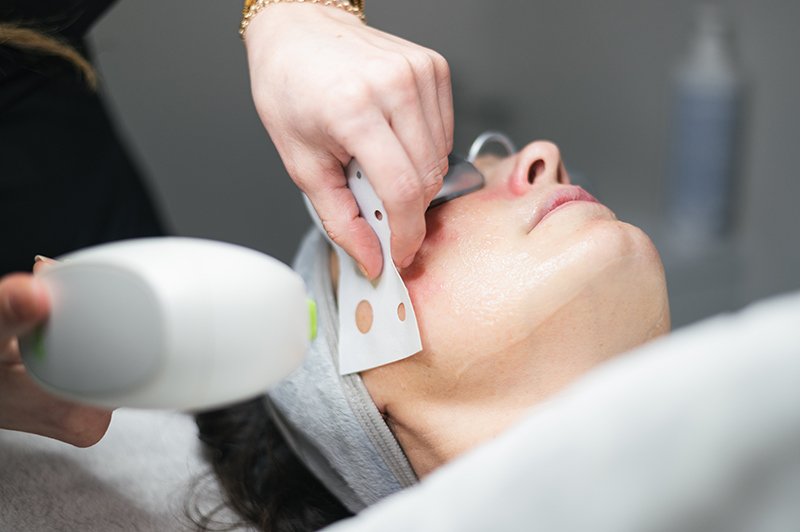
- Laser treatments
- Radiofrequency or ultrasound skin tightening
- Skin boosters
- Chemical peels and other energy-based treatments.
These treatments are often intended to address concerns such as wrinkles, volume loss, uneven skin tone, texture changes or mild laxity. They are generally performed in-clinic with less downtime, although repeat sessions or maintenance may be required.
Neither option is automatically better. The best choice depends on the concern being treated. For example, dermal fillers may restore lost facial volume, but they cannot remove excess skin. Skin-tightening devices may improve mild laxity in suitable patients, but they are unlikely to create the same degree of lifting as surgery. Understanding these limits can help patients make more informed decisions from the start.
What Does a Cosmetic Surgeon Assess Before Recommending Treatment?
A cosmetic surgeon assesses the cause and extent of your concern, the result you hope to achieve, your medical suitability and the recovery or maintenance involved. These findings help determine which treatment can provide a realistic result without exposing you to an unsuitable procedure.
What Are the Patient's Main Concerns?
The surgeon first determines whether the concern involves the skin surface, facial volume, excess fat, loose skin, muscle separation or the position of deeper tissues. Similar-looking concerns may have different underlying causes and therefore require different treatments.
Injectables, lasers or energy-based treatments may be considered for concerns involving wrinkles, volume loss, pigmentation, texture or mild laxity. Surgery may be recommended when meaningful improvement requires removing excess tissue, repositioning deeper structures or reshaping part of the body.
What Degree of Change Can Treatment Achieve?
The surgeon considers whether each option can produce a result that matches the patient's expectations. A non-surgical treatment may provide a gradual or limited improvement, while surgery may allow more extensive structural change.
If the expected result cannot be achieved with a particular treatment, the surgeon should explain its limitations rather than proceeding with an option unlikely to address the concern.
Is the Patient Medically Suitable?
Medical history, current health, medications, previous procedures and relevant lifestyle factors may affect treatment suitability. Some conditions may increase the risks associated with surgery, anaesthesia, injectables or energy-based treatments.
The assessment may lead the surgeon to modify the treatment plan, request further medical evaluation, recommend waiting or advise against treatment.
What Recovery and Maintenance Will Be Required?
The surgeon also considers the recovery period and whether the patient can follow the necessary aftercare. Surgery may involve time away from work, wound care, activity restrictions and follow-up appointments.
Non-surgical treatments generally involve less recovery, but some require several sessions or regular maintenance. These commitments should be explained before any treatment is recommended.
What May a Cosmetic Surgeon Recommend After Assessment?
After assessment, a cosmetic surgeon may recommend surgery, non-surgical treatment, a combination of treatments or no immediate procedure. The recommendation depends on the cause of the concern, the achievable result, medical suitability and whether the likely benefits justify the risks and recovery involved.
Different treatments may be recommended when separate aspects of the concern need to be addressed. They may be performed at different stages to allow sufficient recovery and assessment between procedures.
The surgeon may also recommend waiting or not proceeding if the concern is still changing, the patient is not medically suitable or the available treatments are unlikely to achieve the intended result.
Discuss the Right Treatment Choice with Dr Leo Kah Woon
Cosmetic surgery and non-surgical treatments both have a place in aesthetic care. Non-surgical options may be considered for subtle changes, while cosmetic surgery may be better suited to make large and impactful changes for patients seeking a more noticeable and longer-lasting result.
At Dr Leo Aesthetic Plastic & Reconstructive Surgery, our consultant plastic & reconstructive surgeon, Dr Leo Kah Woon, provides surgical and non-surgical assessments based on what each option can realistically achieve. Dr Leo Kah Woon can assess your concerns, anatomy and intended results before explaining whether surgery, non-surgical treatment or a combined plan may be suitable.
Book an appointment with Dr Leo today to discuss your goals, compare your options and understand which approach may be right for you.
FAQs About Cosmetic Procedure Options
Not necessarily. Non-surgical treatments generally involve less recovery than surgery, but they can still cause complications. The risks depend on the treatment, area being treated, the patient's health, practitioner's training and the technique used.
Previous non-surgical treatment does not necessarily prevent future cosmetic surgery. However, fillers, energy-based procedures and other treatments may affect the tissues or timing of surgery, so the surgeon should be given a complete treatment history during assessment.
Not always. Surgery may produce a longer-lasting structural change, but ageing, weight fluctuations and changes in skin quality continue. Some patients may later consider non-surgical treatment or further surgery for new concerns rather than failure of the original procedure.