




Most women can breastfeed after breast augmentation. However, milk supply and breastfeeding success depend on factors such as surgical technique, implant placement, and how well the milk ducts and nerves are preserved.
Breast augmentation does not usually prevent breastfeeding, but certain approaches make it more likely that you will maintain a full milk supply. Understanding these factors can help you make informed decisions before surgery and prepare for breastfeeding later.
Key Takeaways
- Most women can breastfeed after breast augmentation, although outcomes may vary
- Breastfeeding ability depends on factors such as surgical technique, incision location and implant placement
- Procedures that preserve milk ducts and nerves are less likely to affect milk supply
- Some women may experience challenges such as reduced milk production or sensitivity changes
- With proper support and guidance, many mothers are still able to breastfeed successfully
Can You Breastfeed After Breast Augmentation?
Yes, breastfeeding is usually possible after breast augmentation. Breastfeeding works when milk ducts and nerves remain intact after surgery. In many cases, implants are placed behind the breast tissue, which allows these structures to function normally.
However, some women may not produce a full milk supply. This depends on how the surgery was performed and individual healing differences.
Several key factors influence breastfeeding after augmentation, including:
- Surgical technique used
- Incision location (especially around the areola vs under the breast)
- Implant placement (above or below the chest muscle)
- Individual anatomy and healing response
In general, women who have implants placed under the muscle and incisions away from the areola are less likely to experience issues with milk production.
While many patients successfully breastfeed, some may experience reduced milk supply and may need to supplement. A consultation with a qualified surgeon before surgery, or guidance from a lactation specialist after delivery, can help support a smoother breastfeeding experience.
How Implants, Incisions and Placement Affect Breastfeeding
The impact of breast augmentation on breastfeeding largely depends on how the procedure is performed. Factors such as implant type, incision location and implant placement can influence whether milk ducts and nerves remain intact.
Implant Type
Both silicone and saline implants are generally considered compatible with breastfeeding. The type of implant itself does not usually affect milk production, as implants are placed behind the breast tissue rather than within it.
Incision Location
The location of the surgical incision plays a more important role. Incisions made around the areola may increase the risk of affecting milk ducts or nerves that are essential for milk production and let-down. In contrast, incisions made under the breast fold or in the armpit are less likely to interfere with these structures.
Implant Placement
Implants can be placed either above the chest muscle (subglandular) or below the chest muscle (submuscular). Placement under the muscle is generally associated with a lower risk of affecting milk supply, as it creates less pressure on the breast tissue and ducts.
What Challenges Can Occur After Breast Augmentation?
Most women can breastfeed after breast augmentation, but some may experience challenges such as reduced milk supply, changes in nipple sensitivity or temporary discomfort. These issues vary depending on the surgical technique and individual healing.
Reduced Milk Supply
Some women may produce less milk if the milk ducts or nerves were affected during surgery. In such cases, breastfeeding may still be possible, but supplementation might be needed.
Changes in Nipple Sensitivity
Breast augmentation can affect nerve sensation. Some patients experience increased sensitivity, while others may notice reduced feeling, which can influence the milk let-down reflex.
Breast Discomfort or Engorgement
Tightness or discomfort may occur, especially in the early stages of breastfeeding. This is usually temporary and can be managed with proper support and positioning.
How to Breastfeed After Breast Augmentation
Most women can breastfeed after breast augmentation, and taking the right steps can help improve milk supply and feeding success. Early preparation and proper support play an important role.
Prepare Before Surgery
If you are planning breast augmentation and wish to breastfeed in the future, discuss this with your surgeon. Certain techniques can help preserve milk ducts and nerves.
Monitor Milk Supply
After delivery, observe your baby’s feeding patterns and weight gain. This helps identify whether your milk supply is sufficient.
Ensure Proper Latch and Positioning
A good latch and comfortable positioning can improve milk transfer and reduce discomfort during feeding.
Seek Professional Support
A lactation consultant can provide guidance if you experience issues such as low milk supply or difficulty feeding.
Stay Flexible
Some mothers may need to combine breastfeeding with supplementation. Finding an approach that works for you and your baby is key.
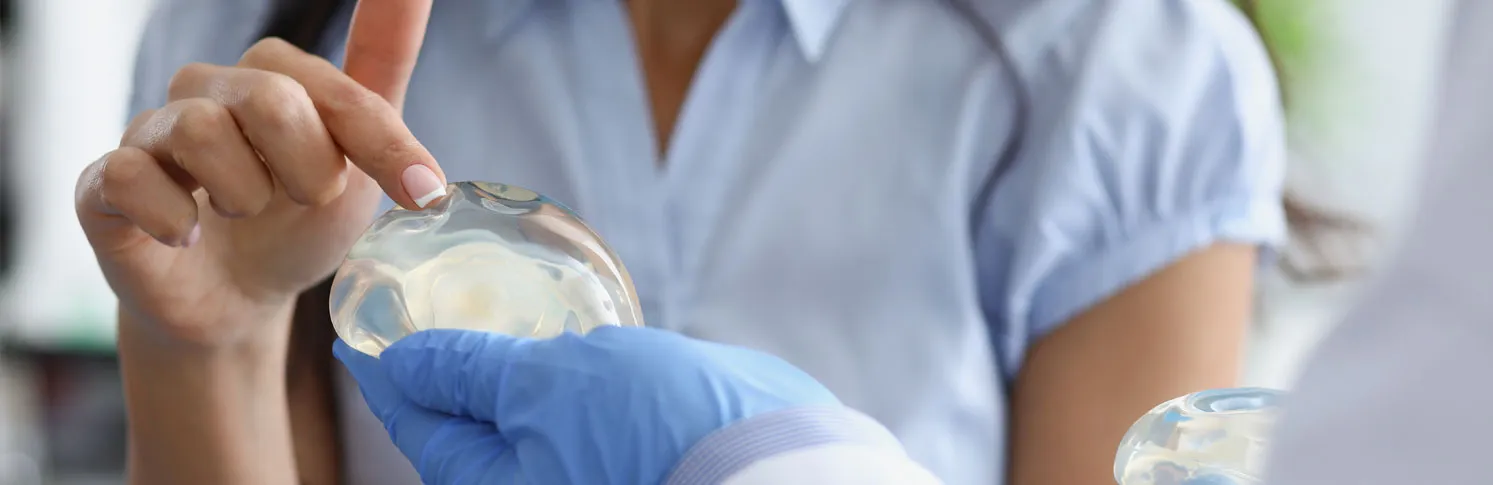
Balancing Aesthetic Goals With Breastfeeding Considerations
Most women can breastfeed after breast augmentation, but outcomes depend on factors such as surgical technique and individual healing. Understanding these considerations allows you to plan ahead and set realistic expectations. Consulting a qualified specialist can help you make informed decisions and support your breastfeeding goals.
Dr Leo Aesthetic Plastic & Reconstructive Surgery is a cosmetic surgery clinic that takes a personalised approach to breast procedures, with careful consideration for your long-term goals, including breastfeeding. Dr Leo Kah Woon, an experienced plastic surgeon accredited by the Ministry of Health (Singapore), will guide you through your options and recommend techniques that prioritise both safety and function. Schedule a consultation with us if you are considering your breast augmentation options or have concerns about breastfeeding after your procedure.
FAQs About Breastfeeding After Breast Augmentation
Implant size alone does not usually determine breastfeeding ability. However, larger implants may create more pressure on breast tissue in some cases, which could affect milk flow.
This depends on your personal goals. Some patients choose to wait, while others proceed with surgery and still breastfeed successfully later. A consultation can help you evaluate the timing based on your plans.
Breastfeeding, along with pregnancy-related changes, can affect breast shape and firmness over time. These changes vary from person to person and are not solely due to implants.